Contamination control is often framed as a cleaning task. In practice, it functions as a coordinated system, and a gap in a single component can affect the integrity of the broader operation. Effective contamination control in cleanrooms and other hygiene-critical environments draws on seven interdependent areas, such as facility design, personnel practices, air management, equipment maintenance, material handling, monitoring and documented procedures. This foundation shapes how hygienic, compliant facilities operate.
Together, these controls help facilities prevent contamination, identify emerging issues and reduce risk before small gaps become larger operational concerns.
Common Sources of Contamination in Controlled Environments
Human skin cells, respiratory particles and clothing fibers are shed continuously, which makes personnel protocols a central part of contamination prevention in a cleanroom or other hygiene-critical setting.
Other common sources include:
- Airborne particles: Dust, microbes and process byproducts can migrate through unsealed transitions between areas and collect in zones with limited air circulation.
- Equipment: Machinery and tools that generate particles or harbor residue between maintenance cycles, such as centrifuges and conveyor systems, are frequent contributors. Routine maintenance, cleaning schedules and equipment qualification help limit particle generation and residue buildup over time.
- Raw materials: Incoming components and packaging can carry contaminants into a facility before they ever reach a controlled area, where classification standards are actively maintained.
- Cleaning tools: Standard mops, wipes, and trolleys can reintroduce contamination into a space that a facility is actively working to control. Cleanroom-compatible cleaning and disinfection systems address this risk directly.
- Poorly maintained surfaces: Cracks and seams in walls, ceilings and equipment surfaces create sites where microbial growth can take hold between cleaning cycles.
How Facility Design Supports Contamination Prevention
Contamination control begins before personnel enter a space. The physical design of a cleanroom or controlled environment shapes how air moves, where people travel and how materials transition between zones. These decisions affect contamination risk.
Planned transitions between classified spaces define how personnel and materials move between zones and reduce the risk of cross-contamination at entry and exit points. To establish baseline cleanliness standards and define acceptable particle concentrations for a given space, room classifications are another design consideration.
Pressure differentials direct air movement between zones and limit contaminant migration between classified areas, while hygienic wall cladding and other sealed, easy-to-clean surfaces minimize gaps where contamination can accumulate.
You can also use different systems to support contamination control:
- Airflow patterns and filtration units: Remove particles before they settle on critical surfaces.
- Door interlocks: Maintain pressure differentials during personnel and material transitions.
- Pass-through systems: Limit cross-contamination between rooms during material transfer.
Personnel Practices That Support Cleanroom Protocols
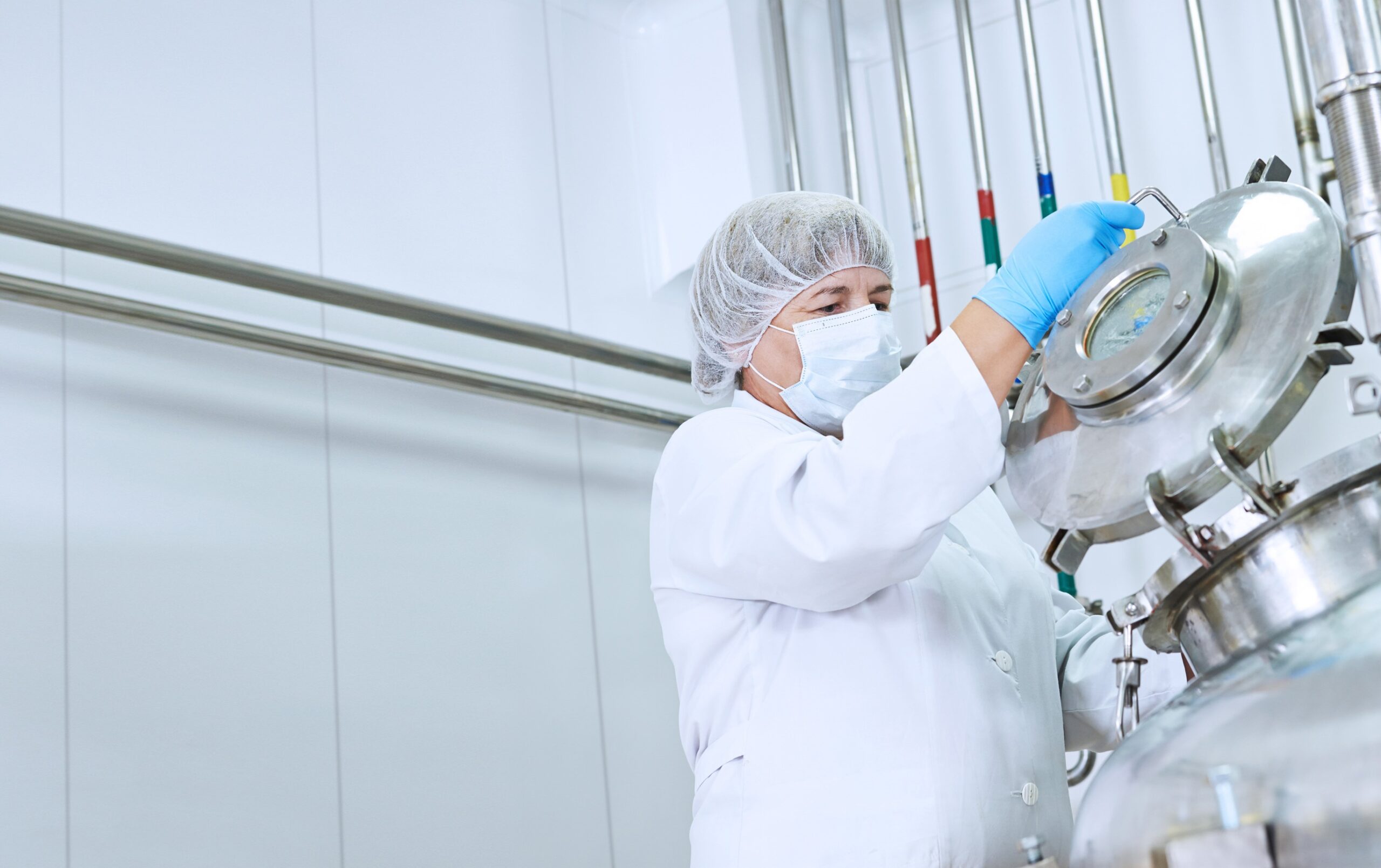
Even in a well-designed space, personnel behavior remains one of the primary variables in contamination control. Gowning procedures create a physical barrier between personnel and the environment and limit the transfer of particles from skin, hair and clothing. Handwashing protocols and guidelines for cosmetics and jewelry can reduce the microbial load before entry.
Controlled movement inside the space matters as much as gowning. How quickly personnel move, where they position themselves relative to critical processes and how they handle materials all influence particle dispersion.
Consistent adherence to cleanroom protocols depends on training. Written procedures are the baseline. Training helps turn those procedures into repeatable behavior. Facilities that run multiple shifts or experience frequent personnel turnover can benefit from formal, documented training programs. Written procedures also give teams a consistent reference for gowning, cleaning, material transfer, monitoring and corrective action. These principles extend to staff in other controlled environments where hygiene and compliance expectations are equally stringent.
Environmental Monitoring That Verifies Contamination Control Is Working
Monitoring converts a contamination control strategy from a plan into a verifiable system. Ongoing data collection lets your facility confirm that controls are performing as intended and that conditions remain within acceptable limits.
Common monitoring parameters include:
- Airborne particle counts, which track particle concentration at defined sample points and flag deviations from classification thresholds
- Microbial sampling of air and surfaces, which provides data on biological contamination beyond what particle counts alone measure
- Temperature, humidity and pressure differential tracking, which verifies that environmental controls remain within specified ranges
Long-term data review reveals trends that single-point-in-time measurements can obscure. That longer view supports early detection and corrective action across GMP/ISO facilities.
Regulatory Standards Behind GMP/ISO Facility Compliance
Cleanroom and controlled environment operations intersect with a range of regulatory and quality frameworks. Specific requirements vary by industry, geography and intended use, but several standards appear consistently across pharmaceutical, biotech, food and beverage and healthcare applications.
Current Good Manufacturing Practice (cGMP) regulations commonly address facility design, personnel hygiene, cleaning procedures and documentation requirements in manufacturing settings. ISO 14644 provides a classification system for air cleanliness that defines particle concentration thresholds for ISO Classes 1 through 9. Many facilities also operate under industry-specific guidance alongside these frameworks.
Compliance in cleanrooms and other hygiene-critical settings generally depends on consistent processes, documented procedures, training records, equipment qualification and corrective action systems. For pharmaceutical and biotech applications, these expectations are generally more explicitly defined.
SPS CleanTech Solutions for Contamination Control
Effective contamination control draws on multiple coordinated components. Sourcing those components from separate vendors can add complexity and handoff challenges across a project. SPS CleanTech serves as a single source for facilities outfitting cleanrooms and controlled environments across pharma, healthcare, laboratory, food and beverage and other applications.
Our portfolio includes hygienic wall cladding systems, door interlock systems, cleanroom ceiling tiles and pass-through systems. We also offer cleanroom-compatible cleaning systems, such as PurMop® and PurWipe®, from our Hydroflex© partnership.
Since we have already vetted suppliers, we simplify product sourcing while helping you find the appropriate match for your specific environment. Schedule a free consultation to speak with an expert about your facility’s contamination control needs.